By
·
1 minute read
By
·
1 minute read
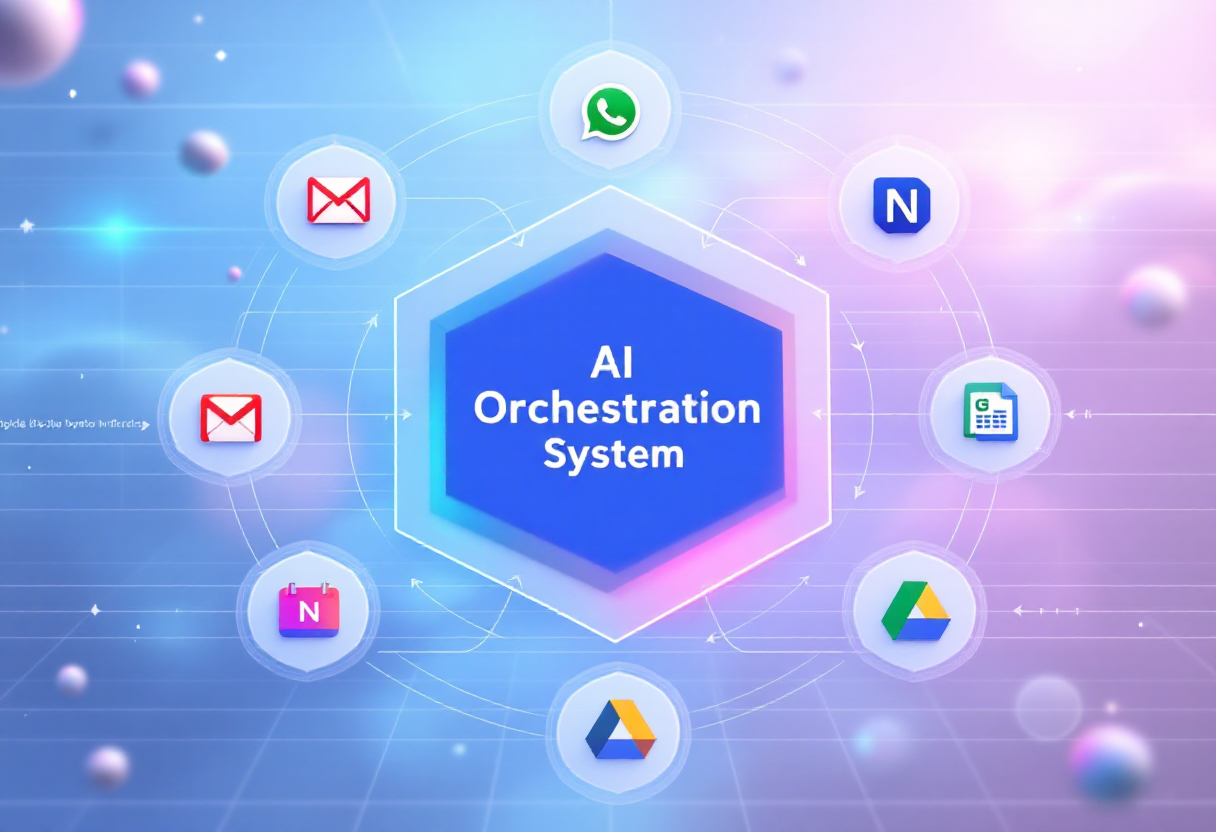
Most AI automation projects fail in production. Not because the technology doesn’t work - but because teams underestimate what “production-grade” actually means.
Here’s what I learned building a 6-platform orchestration system that saved a client 10 hours/week - and why the real value wasn’t speed.
The Brief vs The Reality
Client request: “Make my assistant more efficient”
What we actually built:
- 6-platform orchestration system
- 100+ Make.com modules
- 10+ production-grade ChatGPT prompts
- Google Sheets and Drive integration
- 2 weeks of building and testing
The 80/20 Nobody Talks About
Most demos show you the 20%: connecting platforms via APIs and webhooks.
Production is the other 80%:
60% Edge case handling - What happens when emails are forwarded? Calendar conflicts? Missing data? This is what breaks systems.
20% Testing and refinement - Making sure it works not once, but every time.
Demos show the happy path. Production handles everything else.
ChatGPT Prompt Engineering for Production
The difference between conversation prompts and production prompts:
Conversation prompt: “Analyze this email”
Production prompt: “Extract urgency level (high/medium/low), response deadline, and key action items. Format as JSON. If any field is unclear, default to ‘medium’ urgency and flag for human review.”
Production prompts handle ambiguity. They have strict formatting requirements. They don’t break when inputs are messy.
What Clients Actually Value
Week 1 observation: The client wasn’t saying, “This is fast”
They were saying “I can finally see what’s happening”
The automation saved time. But the visibility changed how they run their operation.
The Strategic Lesson
If you’re implementing AI for operations:- The tools exist
- The constraint isn’t technology
- The constraint is systems architecture thinking
Most AI projects break at the edge cases. Production-grade requires understanding operational workflows, not just connecting APIs.
Excited to build more production systems in 2026 - each one teaches lessons that make the next one better.